Business & trust
Why your company needs a trustworthy digital presence
Your digital presence is part of how someone decides whether to start a conversation with you. It should help them understand what you do, see whether you fit their needs, and take a next step with confidence.

Answer the questions a customer actually has
A business website is often reviewed in a spare moment: between meetings, after a recommendation, or while comparing several options. Give that visitor the basics without making them interpret a slogan. Explain who you help, what you provide, where you work, and how to reach you. Use words your customers would use when describing their own problem.
Then add the details that help someone decide. A service business may need a clear scope, a description of its process, and realistic expectations about what happens after an inquiry. A software company may need product examples and a distinction between what is available today and what is being developed. Specific information respects the visitor’s time and makes the eventual conversation more productive.
Make your evidence easy to understand
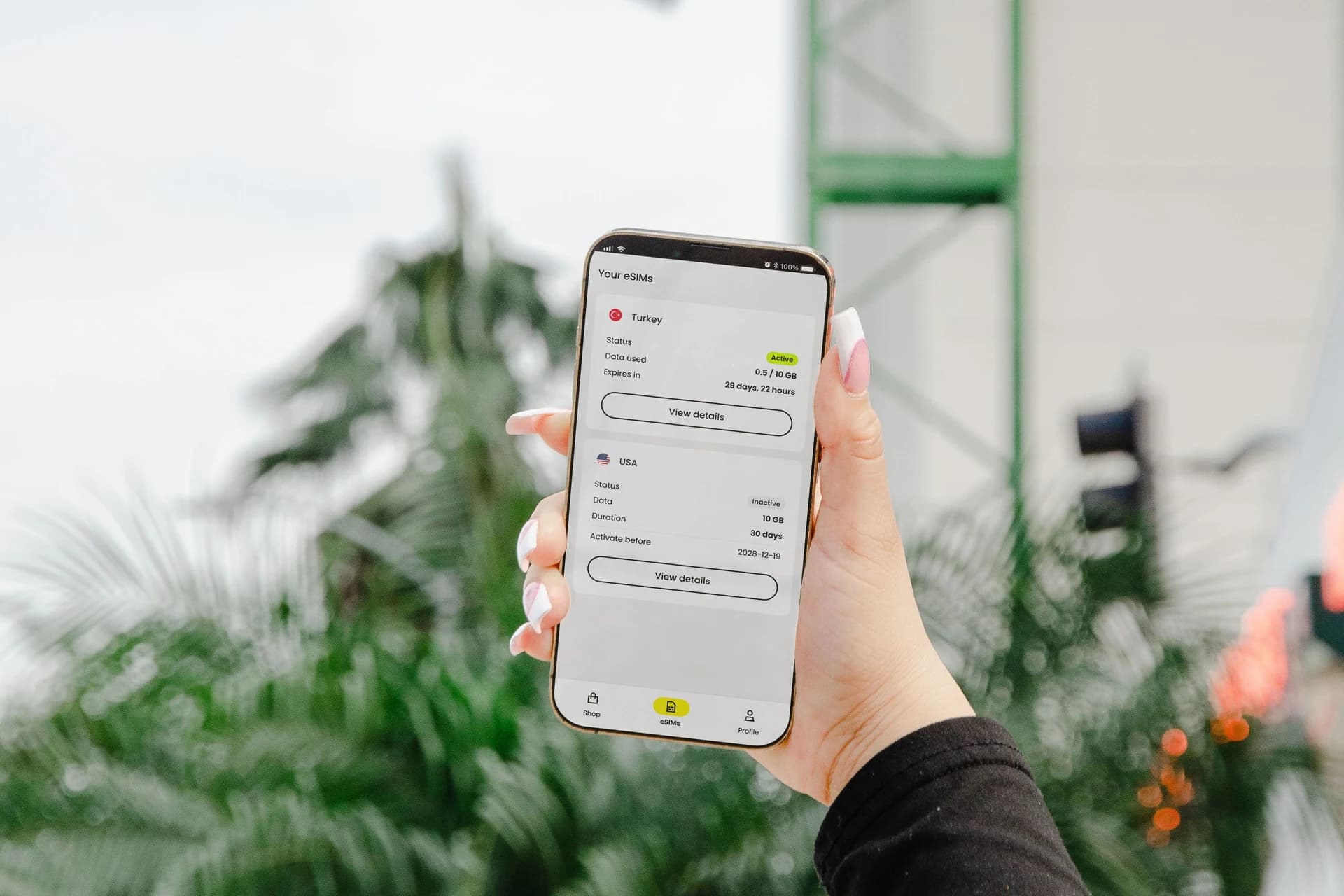
Use examples that show the kind of work you can actually discuss. A product screen can explain a workflow. A project description can explain the problem, your role, and the result you are permitted to share. A photograph can add human context when its relationship to the business is clear. Label stock photography and illustrations accurately; neither should quietly become a claim about your team or customers.
The same discipline applies to company names and logos. Team experience, customer relationships, certifications, and partnerships mean different things. Use the precise qualifier that the evidence supports. People should not need to guess whether a recognizable name belongs to a client, a former employer, or an integration. Honest framing allows the work to carry its own weight.
Keep the business recognizable wherever it appears
A consistent business name, contact route, and description help connect a recommendation to the right organization. Review the information on your website, relevant directories, and public profiles together. Google provides ways to verify a website and manage business details in Search and Maps. These are practical housekeeping tasks; they are not a guarantee of placement or a substitute for useful content.[1]
A clear visual identity helps that recognition. Keep your typography, logo, and core colors consistent, but leave room for the information to breathe. An attractive site can still feel uncertain if the company name changes between pages, the contact address is missing, or the examples do not match the services being sold. Resolve those gaps before adding more visual effects.
Make the next step work well
Decide what a visitor should be able to do after each important page. That may be to compare products, read a practical guide, request a quote, or book a conversation. Offer a clear primary action and a useful secondary option. Someone who is still researching should have a sensible place to go without being pushed into a sales form.
Test those actions from beginning to end. A form needs useful labels, understandable errors, a confirmation, and a working delivery path. People navigating by keyboard or using assistive technology need access to the same information and actions. W3C’s accessibility guidance frames this as making websites usable by people with a broad range of abilities; it belongs in the core experience.[3]
Treat credibility as ongoing work
Assign someone to keep essential pages current. Remove expired offers, correct broken links, update contact details, and distinguish current capabilities from future plans. Publish when you have something useful to explain, and make the author or responsible organization clear. Google’s own content guidance favors information made to help people rather than material produced mainly to attract search traffic.[2]
For a small company, a dependable digital presence can start with very little: a focused home page, useful service or product pages, accurate company information, and a contact experience that works. Add complexity when there is a reason. The goal is a place that represents your business honestly and continues the confidence someone may already have in your work.